Accredited by the National Board of Accreditation (NBA) under Tier-I
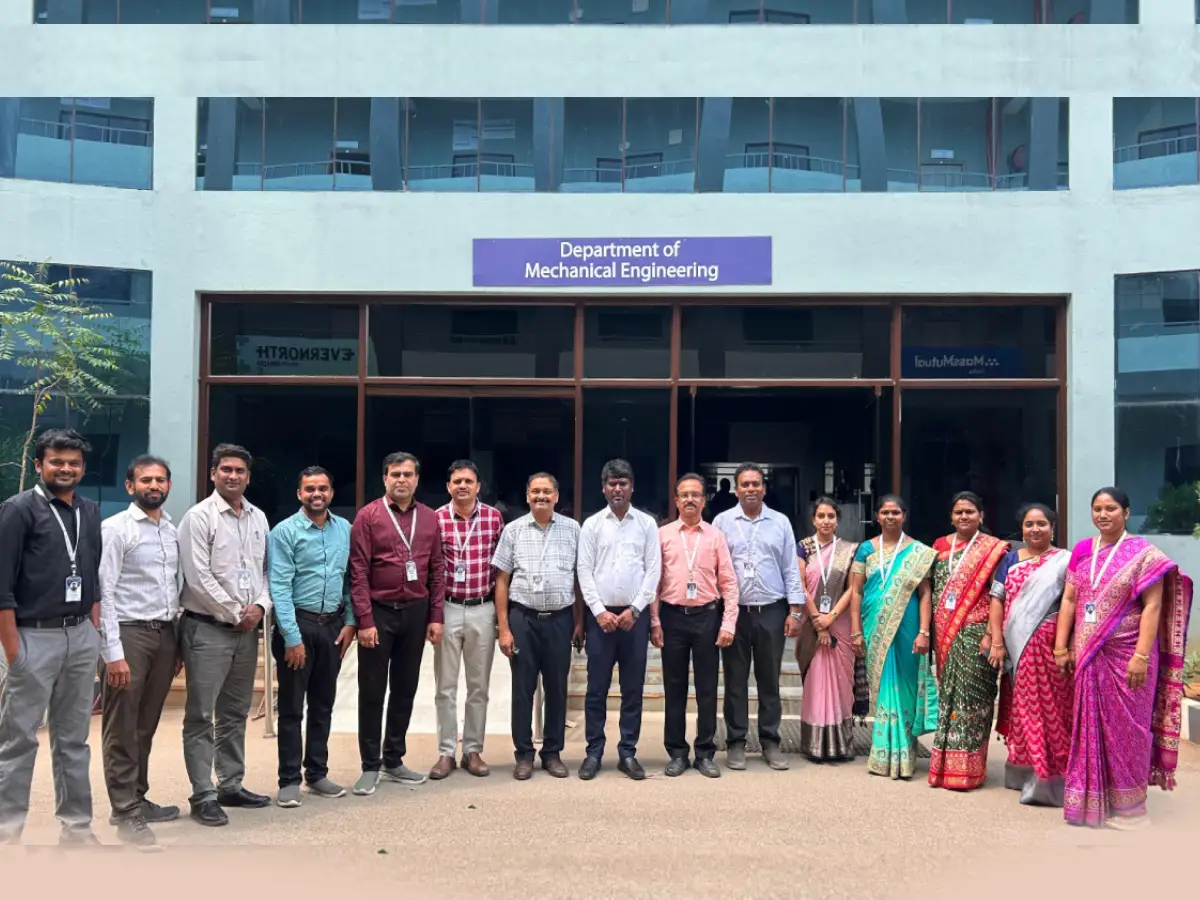
The Department of Mechanical Engineering at Vardhaman College of Engineering stands as a center of academic strength, technical excellence, and innovation-driven learning. The department is empowered by a team of experienced and research-focused faculty, well-equipped laboratories, modern computational and manufacturing facilities, and strong industry collaboration. With expertise spanning thermal engineering, design and simulation, manufacturing technology, robotics and automation, materials engineering, renewable energy, and smart systems, the department fosters a balanced blend of theoretical knowledge and practical skills. Active involvement in research projects, consultancy, internships, industrial training, and professional societies enhances students’ exposure to real-world engineering challenges. Emphasizing outcome-based education, sustainability, and emerging technologies, the department consistently produces competent, industry-ready, and ethically responsible mechanical engineers capable of contributing effectively to technological advancement and societal development.

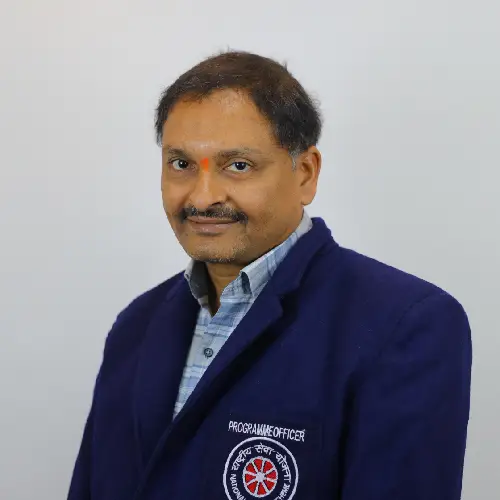
Associate Professor & HOD

Professor

Professor

Associate Professor

Associate Professor

Assistant Professor

Assistant Professor

Assistant Professor

Assistant Professor

Assistant Professor

Assistant Professor

Assistant Professor

Assistant Professor

Assistant Professor

Assistant Professor

Assistant Professor

Lab Assistant

Lab Assistant

Lab Assistant

Lab Assistant

Lab Assistant

Lab Assistant
To ensure effective governance, academic excellence, and continuous quality enhancement, the Department of Mechanical Engineering has constituted various statutory and functional committees. These committees systematically oversee curriculum design, teaching–learning processes, research, student development, and industry interaction. Together, they facilitate structured planning, transparent decision-making, and the holistic growth of the department under Vardhaman College of Engineering.
The Board of Studies is the apex academic body of the department responsible for designing, reviewing, and updating the curriculum in alignment with industry standards, emerging technologies, and regulatory requirements. It comprises senior faculty, subject experts, industry professionals, and academicians from reputed institutions. The BoS ensures relevance of course content, introduces new electives, recommends laboratory upgrades, and promotes interdisciplinary learning to enhance the academic rigor and employability of graduates.
The Department Advisory Committee provides strategic guidance for the overall growth and development of the department. It includes the Head of the Department, senior faculty, industry experts, alumni, and external members. The committee advises on academic planning, research initiatives, infrastructure enhancement, industry collaboration, and future expansion strategies, ensuring that departmental activities align with institutional vision and stakeholder expectations.
The Program Assessment and Quality Improvement Committee focuses on outcome-based education and continuous quality enhancement. It monitors Course Outcomes (COs), Program Outcomes (POs), and Program Specific Outcomes (PSOs), analyzes attainment levels, and recommends corrective measures. Through systematic assessment, feedback analysis, and quality audits, PAQIC ensures sustained academic excellence and compliance with accreditation standards.
The Department Curriculum Development Committee is responsible for the structured design and periodic revision of course syllabi, laboratory content, and learning resources. It integrates contemporary trends, advanced tools, and industry practices into the curriculum to maintain academic relevance. The committee works closely with BoS to propose new subjects, skill-based courses, and value-added programs that strengthen student competency and innovation.
The Project Review Committee oversees the planning, execution, and evaluation of student projects, including mini, major, and research projects. It ensures that projects address real-world engineering problems and encourage innovation, design thinking, and problem-solving skills. The committee conducts periodic reviews, provides technical guidance, and evaluates outcomes to maintain quality, originality, and industry relevance.
The Class Review Committee serves as a platform for continuous monitoring of academic progress and student well-being. It includes faculty members and student representatives who periodically review course delivery, attendance, performance, and learning challenges. The CRC collects feedback, identifies issues, and recommends timely interventions to enhance teaching effectiveness and academic performance.
The Student Council Committee promotes student participation in departmental governance and extracurricular engagement. It organizes technical events, workshops, competitions, cultural activities, and professional development programs. Acting as a bridge between students and faculty, the SCC encourages leadership, teamwork, communication skills, and holistic personality development, thereby fostering a vibrant and inclusive learning environment.